This question gets stranger and more mysterious the deeper you dive into it. The short answer is that the Tarot is a deck of cards; but that hardly does justice to the Tarot. There is a large literature on the subject which range from simple descriptions of the cards and how to do a reading, through to psychological approaches (Wang; Rosegarten), upto perhaps the deepest text I have read published posthumously and anonymously as Meditations on the Tarot.
I certainly won’t be able to cover everything on this page, but will give an overview of the components and aspects of the Tarot.
Cards
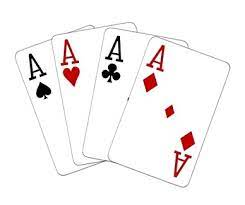
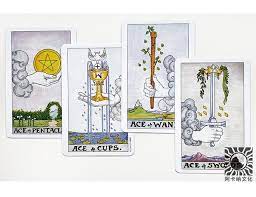
The Tarot is a deck of cards like regular playing cards (which were derived from the Tarot), but whereas there are normally 52 playing cards, there are normally 78 Tarot cards. The Tarot of Marseille is thought to be the original from which later designes were derived with more elaborate illustrations. Nowadays, there are hundreds of Tarot decks of differing themes: gothic, fairy, even zombie apocalypse. I like to collect decks, but my go-to deck for readings remains the Rider-Whate as it conveys a rich symbolism.
A Tarot deck consists of the Major and Minor arcana. The minors are further devided into 4 suites of court and pip cards. These 4 suites are Swords, Batons, Cups, and Pentacles and are associated with the alchemaic elements of air, fire, water and earth respectivly. Modern playing cards have inherited these as the suites of spades, clubs, hearts and diamonds. Similarly there are 10 pip cards in each suite.
Another simillarity between the Tarot and playing cards are the court cards. The jack, queen and king are fairly obvious (although in the Tarot the jack is called the page). In addition, for each suite, there is an extra court card of the knight – which for some reason did not make it to playing cards.
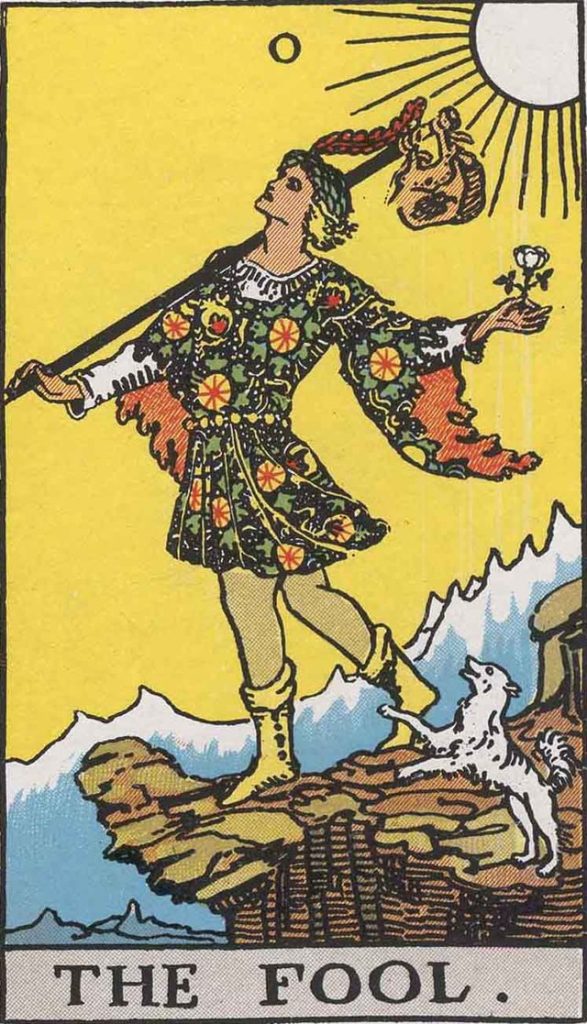
The big difference is in the Major Arcana – the trumps of which there are 22 named cards (eg. the Magician, the World, etc.) which are not associated with any suite. Perhaps the only surviving relic of the majors is that of the fool, which is now the joker.
Indeed, a Tarot reading can be done with regular playing cards, but I find doing so is not as intuitive as they do not present the symbolism.
Spreads
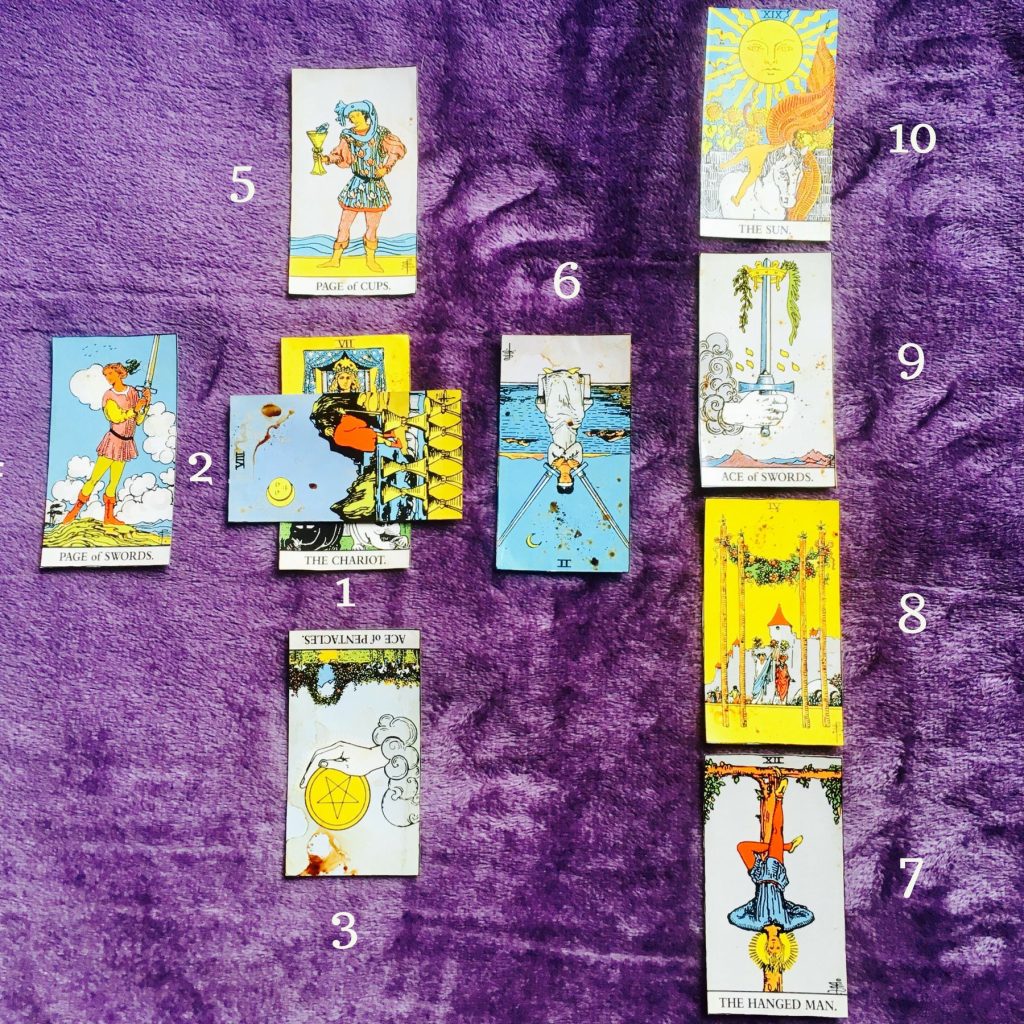
A second aspect of applying the Tarot for divination is that of the spread, or the layout of the cards when giving a reading. Each placement of a card represents an aspect of life. There are many spreads like the horseshoe, the 3 card spread and so on, but one of the most revealing is that of the Celtic Cross, which is spread of 10 cards (sometimes with an extra card).
In a reading, the cards are delt into the spread poisiitons, and the interpretation of the card is affected by the contextual association with the positional aspect.
Divination
A deck of picture cards layed out on a table is one thing. But the interpretation is where things become interesting. The tarot is often seen as a kind of fortune telling, but I believe it serves as a portal to unconscious understanding.
Humans naturally seek for meaning in patterns, and are captivated by the mysterious symbolism presented in dreams and tarot images that, at first, make no sense, but appear as though they should. And so we attempt to attribute some meaning to the pattern that does make sense. The images of the tarot are deliberatly ambigious around the theme of the card. They are a rich source of varied interpretation, and while they have no precice meaning in themselves, they invite us to conjour up whatever is meaningful for us. The interpretations that we arrive at are often those that we hold in mind at an unconscious level – on seeing a card, and searching for an associated meaning, then that meaning is drawn from the deep and brought into conscious focus.
The cards are an instrument, and reading spreads are their method, but the divination is a unique human cognitive process. Divination can be simply intuiting what the card means there and then, and in a sense, because it is indexing material from that we were not consciously aware of at the time, has to be right. That intuition through, emerges from a vast and complex matrix of personal experiences, social situations, cultural influences, moods, and what Jung calls the ‘collective unconscious’. These intertwining forces that lend a card its current meaning are almost totally inaccessible to rational thinking, but sill are processed by the unconscious mind. Divination, then, is the act of gaining some access to those thoughts.